
The short version
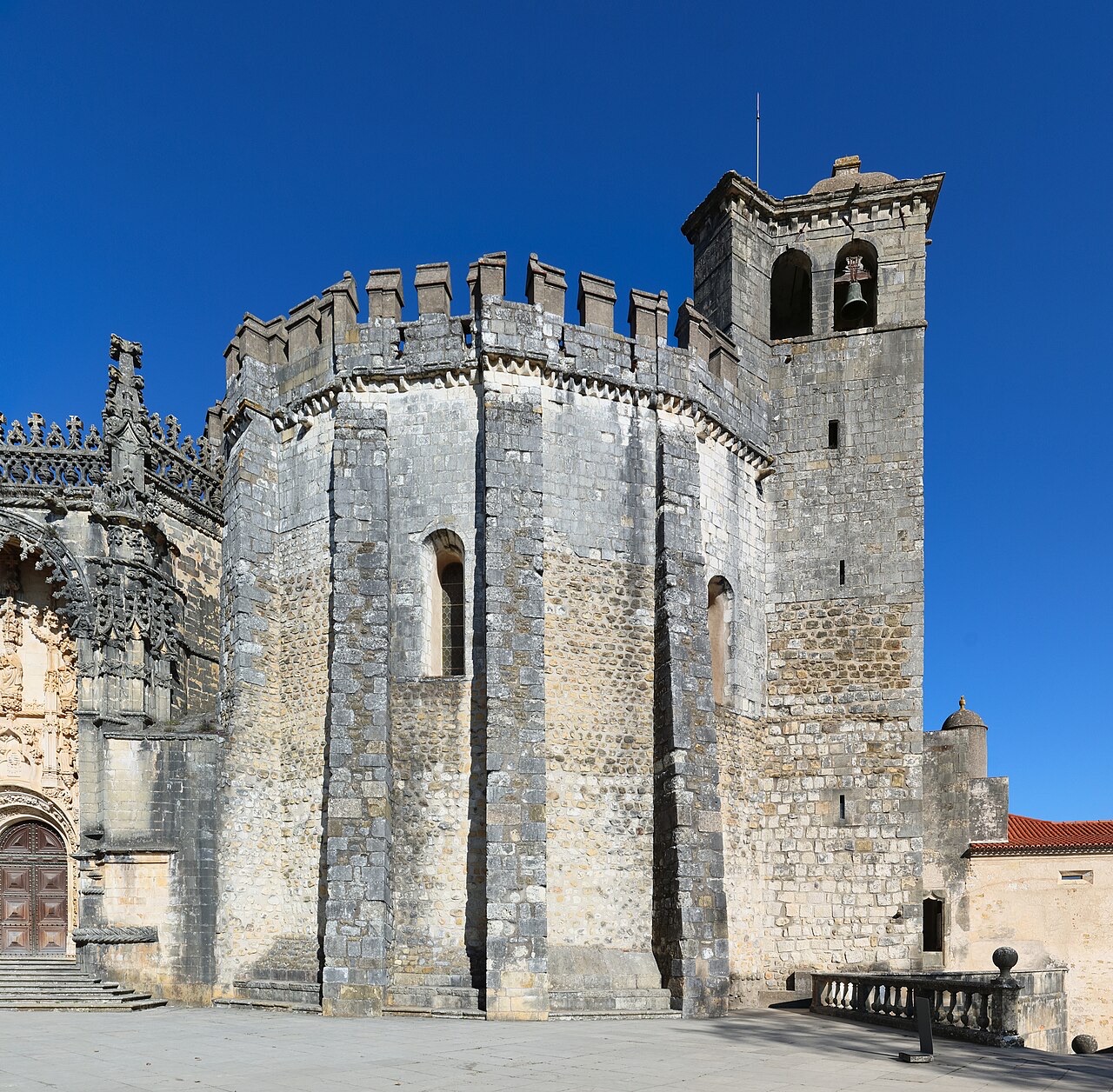
The Knights Templar were a religious order of knights founded in Jerusalem around 1119 to protect pilgrims. Over two centuries they acquired land across Europe and looked after money for kings and nobles. In 1307 King Philip IV of France had them arrested, and in 1312 the pope dissolved the order. Since then legends have grown that the Templars’ treasure was smuggled away before the arrests, and that it lies hidden somewhere, perhaps with the Holy Grail. Historians who study the order say that its real wealth was land, that its known treasure went elsewhere, and that most modern treasure stories rest on 20th-century forgeries and fiction.
Who the Templars were
The order began in Jerusalem around 1119 or 1120, under a knight from Champagne, Hugues de Payens. The Church approved it and gave it a rule at the Council of Troyes in 1129, where the abbot Bernard of Clairvaux spoke for it.
The Templars became rich. Princes and private people kept valuables in their houses in Paris and London, and the French royal treasure was stored at the Temple in Paris. The order also lent money to rulers. According to the historian Dan Jones, it was both cash-rich and land-rich, but its real wealth lay in land.
The fall
The arrests. At dawn on Friday 13 October 1307, Philip IV’s officers raided Templar houses across France. Many were tortured into confessing to heresy and other crimes. Philip was short of money. It is often said that he owed the Templars, but Dan Jones says the picture is more complicated than a simple debt.
The pope. In 1308 Pope Clement V absolved the order’s leaders of heresy, while finding them guilty of immorality. This decision was recorded in a document known as the Chinon Parchment, misfiled in the Vatican archives for centuries and rediscovered in 2001. Under pressure from Philip, the pope changed course. In 1312, at the Council of Vienne, he dissolved the order by decree, stating that this was not a judicial verdict. A second decree gave Templar property to another order of knights, the Hospitallers, with exceptions in Castile, Aragon, Portugal and Majorca.
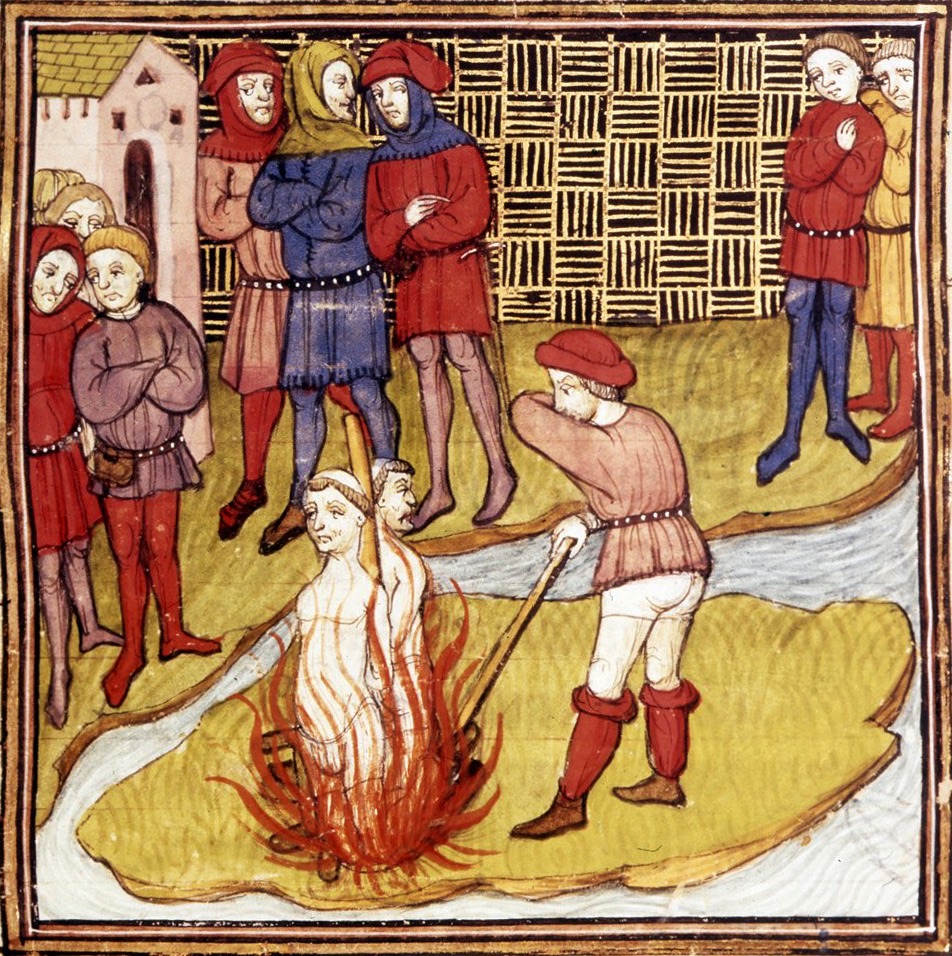
The burning. In March 1314 the grand master, Jacques de Molay, withdrew his confession in public, and Philip had him burned at the stake on an island in the Seine in Paris.
Elsewhere. In most other countries, including Portugal, Spain, Germany and Cyprus, the Templars were found innocent. In Portugal the king founded a new order, the Order of Christ, which the pope allowed in 1319 to take over the Templars’ Portuguese estates.
Where the money went
The land. Dan Jones says the Templar lands went to the Hospitallers, not to the French king, so Philip’s plan to take them failed. He assumes that the coin in the Paris treasury went to the French crown.
The treasure on Cyprus. The historian Helen Nicholson writes that the order’s central treasure was mainly a collection of saints’ relics, kept on Cyprus and passed to the Hospitallers in 1312. There is no record of how much money the order held there. Her simplest explanation for the missing money is that the Templars had spent it on the crusade they were planning.
The chests. Nicholson adds that the chests seen in Templar treasuries in Paris, London and Barcelona often held money belonging to kings, nobles or merchants, not to the order. After the arrests in England, King Edward II searched for more money and found none. The only expensive items in Templar houses at the time of the arrests were the church plate in their chapels.

The legends, point by point
The fleet
Believers say: before the arrests, Templar ships carried the treasure out of France, perhaps from the port of La Rochelle.
The response: the story rests on one testimony. In 1308 a Templar, Jean de Châlons, told a papal inquiry that he had heard it said that a fellow Templar had set out to sea with 18 galleys, and that another had fled with the treasure of a third, Hugues de Pairaud. The writer Jason Colavito, who has translated the testimony, notes that it does not mention La Rochelle, and argues that Jean was telling the inquisitors what they wanted to hear. Colavito traces the details of the fleet legend to French and English books of the 20th century.
Scotland and Rosslyn
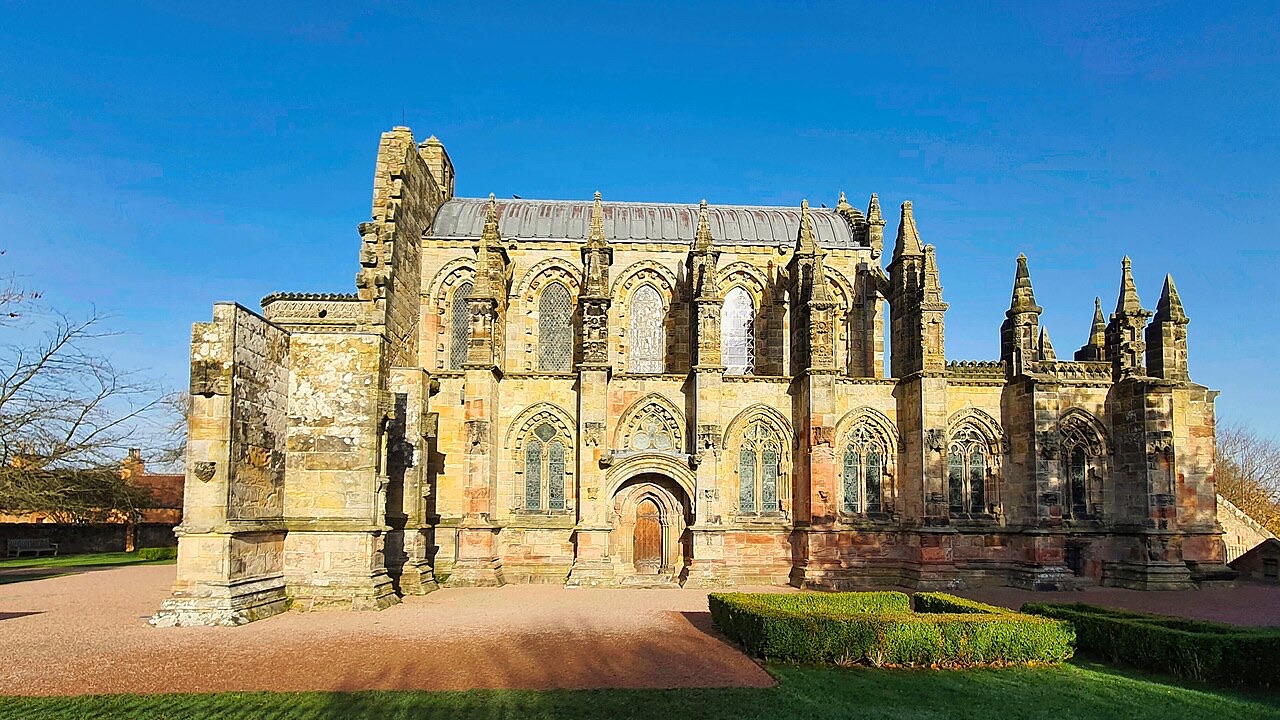
Believers say: Templars fled to Scotland, fought for Robert the Bruce at the Battle of Bannockburn in 1314, and hid their treasure, perhaps the Holy Grail, at Rosslyn Chapel in Scotland.
The response: Nicholson calls the Bannockburn story a myth invented in the 1830s. Sky History, which presents the legends, says there is no historical evidence that any Templars were at Bannockburn. Rosslyn Chapel was founded in 1446, more than a century after the order was dissolved. A vault said to lie beneath it is unlikely ever to be dug because of the risk to the building.
Oak Island
Believers say: the treasure was carried across the Atlantic to the “Money Pit” on Oak Island in Nova Scotia.
The response: the treasure legend of Oak Island goes back to 1795, and four treasure hunters died in an accident in 1965. No treasure has been found.
Rennes-le-Château and Gisors
Believers say: clues to the treasure lie in the French village of Rennes-le-Château and at the castle of Gisors in France, guarded by a secret society called the Priory of Sion.
The response: the Priory of Sion was registered in France in 1956 by Pierre Plantard, despite its claims to great antiquity. According to the religion scholar Massimo Introvigne, the documents about it were fabricated in the 1960s, and no serious scholar regards them as anything else. Nicholson writes that Plantard and Philippe de Chérisey forged the Rennes-le-Château documents and that the modern myths of a lost Templar treasure are based on these forgeries. Digging at Gisors in the mid-20th century damaged the ruins and found nothing.
The Temple of Solomon
Believers say: the Templars dug beneath the site of the Temple of Solomon in Jerusalem and found something of great value, perhaps the Ark of the Covenant.
The response: National Geographic notes that no treasure map has ever been found. On the related legend of the Holy Grail, Dan Jones says the link with the Templars exists in fantasy and has become a long-running entertainment business.
How the legend spread
In a speech in Paris in 1736, the writer Andrew Michael Ramsay set out a crusader origin for Masonic teachings. Nicholson writes that in modern times some Freemasons invented links between their movement and the Templars.
The book The Holy Blood and the Holy Grail (1982) by Michael Baigent, Richard Leigh and Henry Lincoln argued that a bloodline from Jesus continues to this day. Dan Brown’s novel The Da Vinci Code (2003), which sold more than 40 million copies, presented the Priory as real. Baigent and Leigh sued Brown for copying their book, and a High Court judge threw out their claim in 2006.

What is still argued about
- What happened to the coin held in the Paris Temple when the order fell.
- Whether any Templars escaped France with valuables. One testimony from 1308 says so, and it is disputed.
Dan Jones has said that if the Templars had any secret treasure, it remains a secret today. No poll appears to have asked how many people believe the legend.
Sources
- Middle Temple, “The Knights Templar”
- Dan Jones, “How the Knights Templar Were Eventually Crushed”, History Hit (2018)
- Dan Jones, “Does Historical Evidence Rule out the Myth of the Holy Grail?”, History Hit
- History.com, “Mass arrests of the Knights Templar”
- Catholic Encyclopedia, “Knights Templars” (1912)
- Catholic Encyclopedia, “Order of the Knights of Christ” (1908)
- EWTN, “Council of Vienne 1311-1312”
- Fordham University, Medieval Sourcebook, “The Primitive Rule of the Templars”
- Temple Church, “Bernard of Clairvaux”
- CBS News (AP), “Knights Templar Absolved 700 Years Late” (2007)
- NBC News (AP), “Long-lost text lifts cloud from Knights Templar” (2007)
- Herodote.net, “19 mars 1314”
- Helen Nicholson, Templar FAQs, “Treasure”
- Helen Nicholson, Templar FAQs, “Bannockburn”
- Helen Nicholson, Templar FAQs, “Freemasons”
- Jason Colavito, “Testimony of Jean de Châlons”
- Jason Colavito, “Where did the myth of the lost Templar fleet and its transoceanic voyage come from?”
- Sky HISTORY, “Where did the Templar treasure go?”
- Sky HISTORY, “Rosslyn Chapel mystery”
- Rosslyn Chapel, “History”
- The Canadian Encyclopedia, “Oak Island”
- Massimo Introvigne, CESNUR, “Beyond The Da Vinci Code: What is the Priory of Sion?”
- Massimo Introvigne, CESNUR, review of Chaumeil (2006)
- History Hit, “Château de Gisors”
- National Geographic, “‘National Treasure’: Freemasons, Fact, and Fiction” (2004)
- Grand Lodge of British Columbia and Yukon, “Andrew Michael Ramsay”
- History News Network (from The New York Times), “Richard Leigh: 64, Writer Who Challenged ‘Da Vinci Code,’ Is Dead” (2007)
- The Week, “The Da Vinci Code deciphered”
- History News Network, “Document Shows Templars Not Heretics, Historian Says” (2008)
- Jason Colavito, “The Templar testimony behind fringe history’s most dramatic conspiracies”