

The short version
Loch Ness is a long, very deep freshwater lake in the Scottish Highlands. Since 1933, people have reported seeing a large animal in it, usually described as having a long neck and one or more humps. Sonar sweeps, underwater cameras and a full DNA survey have found no monster. Sightings continue every year.
The loch
Loch Ness is about 37 km long and more than 220 metres deep in places. It holds more fresh water than all the lakes of England and Wales together. The water is stained dark brown by peat, so visibility below the surface is only a few metres. If you wanted to design a lake to hide something in, it would look like this.
Where the story comes from
A biography of the Irish monk St Columba, written around the year 700, describes him driving away a “water beast” in the River Ness in 565. Believers treat this as the first sighting. Historians note that such stories were standard in saints’ lives.
The modern legend began in 1933, when a new road along the northern shore gave drivers a clear view of the water. In May a local newspaper reported that a couple had seen “an enormous animal rolling and plunging”. Later that year a London man said a long-necked creature crossed the road in front of his car. Newspapers sent reporters, and a circus offered a reward for capture.
The Surgeon’s Photograph
In April 1934 the Daily Mail published a picture showing a slender neck and small head rising from the water. It was credited to a respected London doctor, which gave it authority. For sixty years it was the image of Nessie.
In 1994 the truth came out. A man named Christian Spurling confessed before his death that the “monster” was a model head and neck mounted on a toy submarine. The hoax was organised by his stepfather, a big-game hunter whom the Daily Mail had humiliated months earlier after he was fooled by fake footprints. The doctor had been recruited to hand in the film.
Versions of the theory
A surviving plesiosaur. The classic image: a long-necked marine reptile from the age of the dinosaurs.
A giant eel. A very large specimen of a fish that certainly lives in the loch.
A visiting sea animal. A seal, sturgeon or other large creature that enters from the sea through the River Ness.
An unknown species. Something not yet described by science.
Something supernatural. A spirit or shape-shifter, in line with older Scottish folklore about water horses.
The arguments, point by point
More than a thousand sightings
Believers say: an official register lists over 1,100 reports, many from local people who know the loch well.
The response: boat wakes can travel a long way on the narrow loch and arrive after the boat is out of sight. Swimming deer, birds, otters, floating logs and wind patterns account for many reports. Researchers also note that sightings rose sharply after the 1933 publicity told people what to look for.
Sonar contacts
Believers say: in 1987, a line of boats swept the loch with sonar and recorded several large mid-water contacts that were never explained.
The response: the organisers suggested seals or debris. A 2003 survey for the BBC used hundreds of sonar beams and satellite positioning to cover the whole loch and found nothing.
Underwater photographs
Believers say: in the 1970s an American team produced images that appeared to show a flipper and a long-necked body.
The response: the “flipper” image had been heavily enhanced, and the original shows much less. Other shots were later matched to a tree stump on the bottom.
A plesiosaur could not live there
Believers say: the loch is deep and connected to the sea.
The response: plesiosaurs died out about 66 million years ago. Loch Ness was solid ice during the last ice age and has existed as a lake for only around 10,000 years. The water is cold, and biologists calculate that its fish stock could not feed a breeding group of large predators. Air-breathing reptiles would also have to surface constantly.

What the DNA survey found
In 2018, a team led by a geneticist from New Zealand collected 250 water samples from across the loch, at all depths, and sequenced the DNA floating in them. This technique detects traces left by anything living in the water.
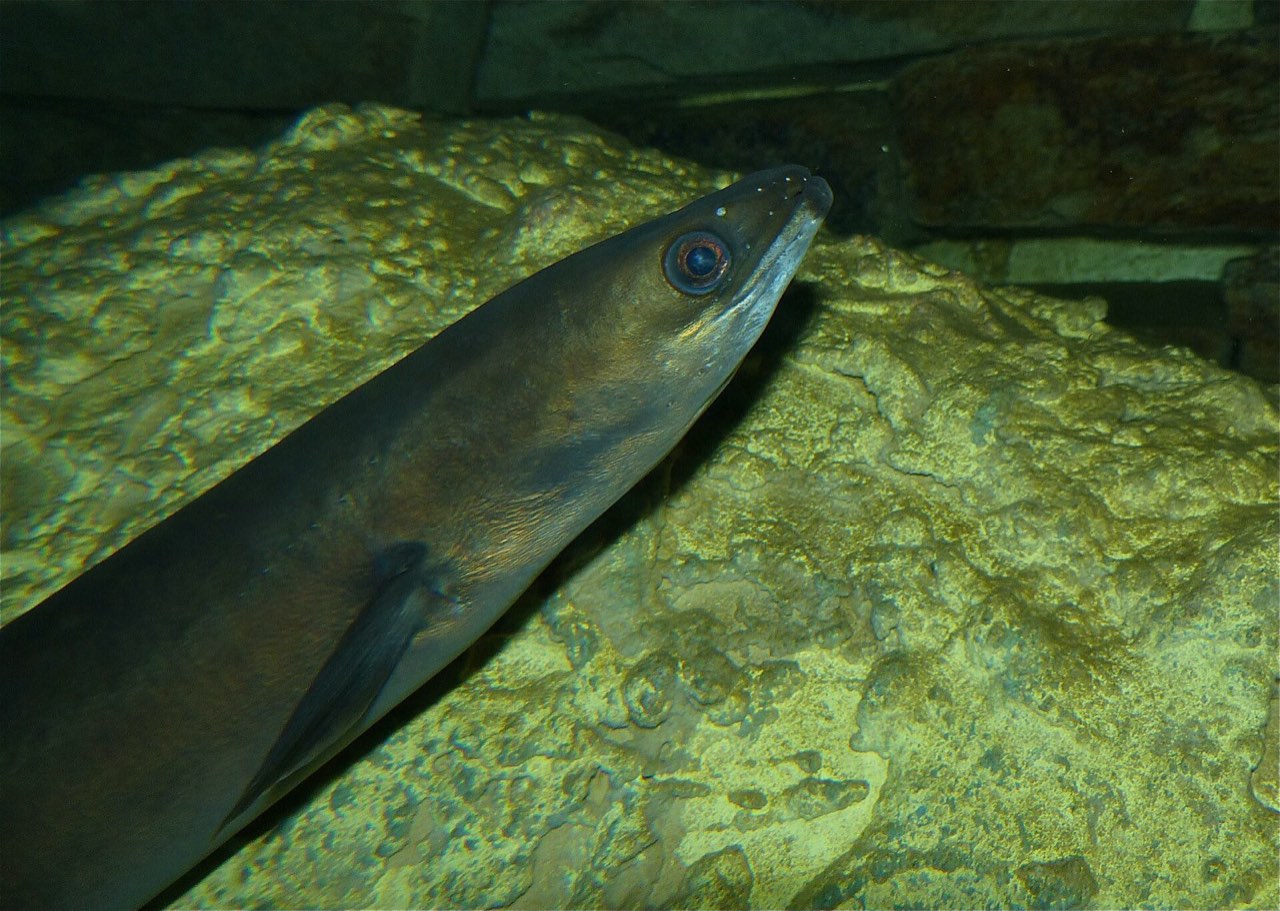
The results, announced in 2019, catalogued about 3,000 species, most of them microscopic. There was no reptile DNA of any kind, and none from sharks, catfish or sturgeon. There was a very large amount of eel DNA, in every sample. The team leader said the data could not tell how big the eels were, so a giant eel remained a possible, though unproven, explanation.
What is still argued about
- Whether eels can grow large enough to be mistaken for a monster. The largest European eels on record are far smaller than the animal witnesses describe.
- A handful of sonar and video recordings that have not been matched to a known cause.
- Whether an unknown animal could be present in such low numbers that sampling missed it.
Why it matters to Scotland
The monster is worth tens of millions of pounds a year to the Highland economy. In 2023, hundreds of volunteers took part in the largest organised watch of the loch in fifty years, using drones and underwater microphones. They recorded some unexplained noises and no monster. Nobody seemed disappointed.
Sources
- University of Otago, “First eDNA study of Loch Ness points to something fishy” (2019)
- Sci.News, “Scientists Find Significant Amount of Eel DNA in Loch Ness” (2019)
- World Economic Forum / The Conversation, “Scientists have been investigating the Loch Ness monster. This is what they’ve found” (2019)
- CBC Radio, interview with Neil Gemmell (2019)
- PBS NOVA, “The Legend of Loch Ness” (on the Surgeon’s Photograph hoax)
- The Official Loch Ness Monster Sightings Register
- David Martin and Alastair Boyd, Nessie: The Surgeon’s Photograph Exposed (1999)
- Adomnán, Life of St Columba (c. 700)