
The short version
In the folklore of the Himalayas, wild, hairy creatures live high in the mountains. The Sherpa call one of them the yeh-teh, which became “yeti”. Western climbers began reporting strange footprints in the snow in the 1920s, and a newspaper gave the creature its English nickname, the “abominable snowman”. Expeditions in the 1950s and 1960s searched for it, and monasteries displayed “Yeti scalps” and even a “Yeti hand”. Scientific tests on supposed Yeti hair, bones and skin have identified bears, a dog and, in one case, a human. Several studies point to local bears as the source of the legend. Others say the tests prove only that some samples were misidentified.
The legend
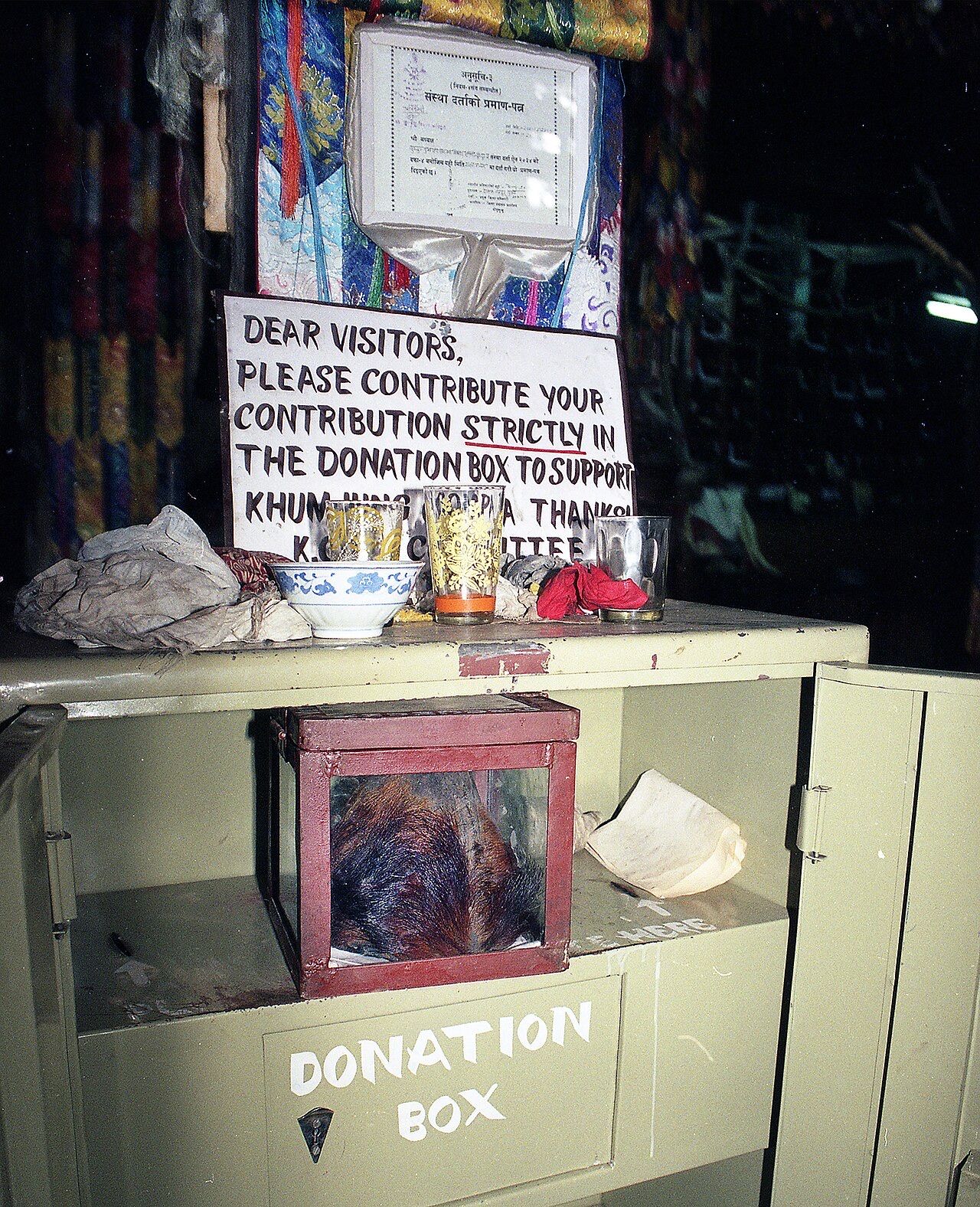
In the Khumbu region of Nepal, home of the Sherpa, the name is meh-teh, and yeh-teh, the source of the word “yeti”, is a variant of it. According to John Jackson, who searched for the Yeti in 1954, Sherpa tradition and monastery paintings describe three types, of which the largest, the dzu-teh, he judged to be a bear. In Bhutan the creature is called the migoi, a giant said in local lore to walk backwards to confuse trackers and to be able to make itself invisible. Monasteries kept “Yeti scalps” that were worn in ceremonial dances long before Westerners arrived.
The footprints
1921. During the first British reconnaissance of Everest, the expedition leader, Charles Howard-Bury, found footprints in the snow. The porters said they were the tracks of a creature they called the meteh-kangmi. A journalist, Henry Newman, rendered the name in English as “abominable snowman”, and it stuck.
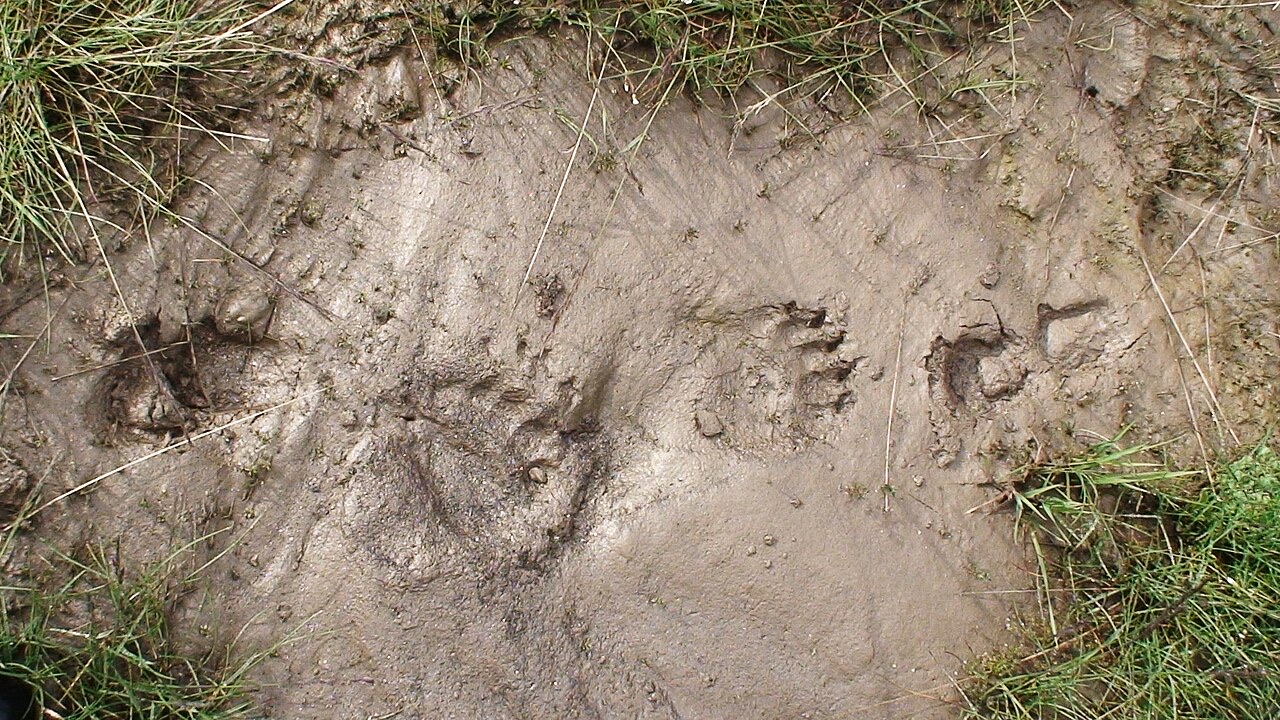
1951. The mountaineers Eric Shipton and Michael Ward, searching for a new route to Everest, found a trail of large footprints near the Menlung Glacier on the border of Nepal and Tibet. Shipton’s photograph of one of the prints became one of the most famous Yeti images. Jackson later noted that sun and melting snow can enlarge and distort ordinary tracks.
2019. The Indian Army posted photos of what it said were footprints of the Yeti, measuring 32 by 15 inches, near the Makalu base camp. Many people mocked the post, and a spokesman for the Nepal Army said local people and porters believed they were the tracks of a wild bear.
The expeditions
The Daily Mail expedition, 1954. The British newspaper sent a team of climbers, scientists and journalists to the Everest region. They followed tracks to 17,000 feet and examined the Yeti scalp kept at Pangboche monastery. Jackson and the expedition’s cameraman, Tom Stobart, wondered whether it was made from the hide of a wild boar. They found no Yeti, but did discover new species of small mammals.
Hillary’s expedition, 1960-61. Sir Edmund Hillary led an expedition sponsored by the publisher of the World Book encyclopedia. One of its aims was to investigate the abominable snowman. It found no Yeti in the Rolwaling valley. The elders of Khumjung lent the team their Yeti scalp, which travelled around the world with a village elder as its guardian. It was found to be made of goat skin. According to Jackson, it was identified as the hide of a serow, a goat-like Himalayan animal, and members of the expedition made a similar “scalp” by stretching serow hide over a mould. Michael Ward, a member of the expedition, concluded: “The Yeti, like the Loch Ness Monster, is neither explained nor disproved — long may they live!”

The DNA tests
The Pangboche finger. A finger said to come from a Yeti hand kept at Pangboche monastery ended up at the Royal College of Surgeons in London. In 2011 scientists at Edinburgh Zoo tested its DNA and found it was human.
The “polar bear” hairs, 2014. The Oxford geneticist Bryan Sykes and colleagues tested hair samples attributed to the Yeti, Bigfoot and similar creatures. Two Himalayan samples, from Ladakh in India and from Bhutan, most closely matched an ancient polar bear. The team suggested an unknown bear species or a hybrid. In 2015 two other scientists, Eliécer Gutiérrez and Ronald Pine, argued that the short stretch of DNA tested could not tell polar bears from brown bears, and that there was no reason to think the hairs came from anything but brown bears.
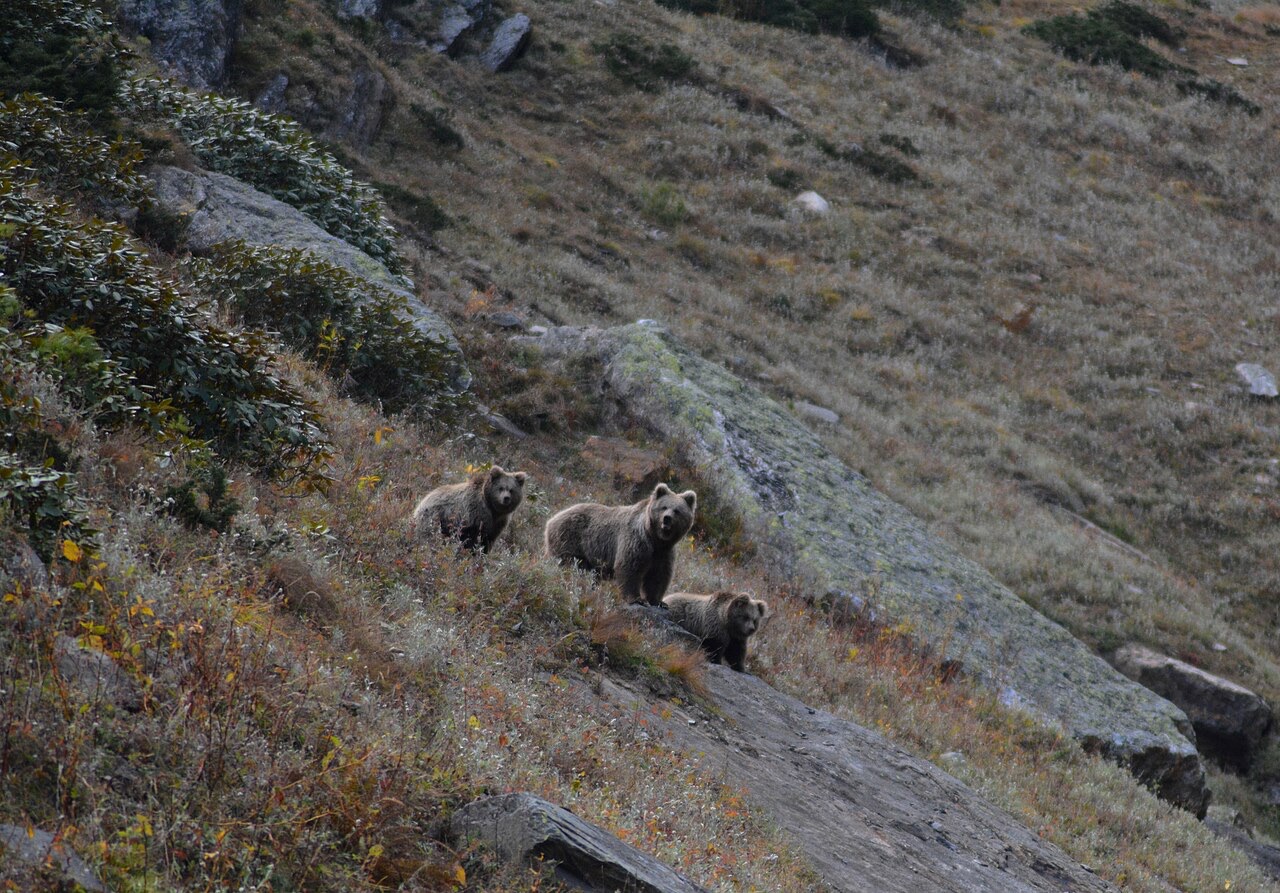
Bears and a dog, 2017. A team led by Charlotte Lindqvist of the University at Buffalo tested nine “Yeti” samples, including bone, teeth, skin, hair and droppings. Eight came from bears: one Asian black bear, one Himalayan brown bear and six Tibetan brown bears. The ninth, a tooth from a stuffed “Yeti” in the Reinhold Messner Mountain Museum, came from a dog. Lindqvist said the findings strongly suggest that the origins of the Yeti legend lie in local bears.
The arguments, point by point
For the Yeti
- Local people have described the creature for generations, and it appears in old Tibetan and Bhutanese texts.
- Experienced mountaineers have reported tracks they could not explain, and Messner described a night-time encounter with a large creature in Tibet in 1986.
- The DNA studies tested only the samples they were given. A negative result for those samples does not prove that no unknown animal exists.
- Some enthusiasts have suggested that the Yeti could be a survivor of Gigantopithecus, a giant extinct ape that lived in southern China.
Against
- Every supposed Yeti specimen tested in these studies has turned out to come from a known animal.
- Bears live in the Himalayas and leave large tracks that melting snow can distort. Messner himself concluded that the Yeti is a kind of brown bear. The writer Daniel Taylor believes the footprints were made by an Asian black bear. In 2022 a researcher in Nepal concluded that the local creature known as the “Mithe” was the Tibetan brown bear.

What is still argued about
- What made the famous footprints of 1921 and 1951.
- Whether the legend began with bears, or with something else.
The Yeti remains part of Himalayan culture and tourism. Bhutan’s Sakteng Wildlife Sanctuary has been described as a reserve created to protect the habitat of the migoi, and Nepal chose the Yeti as the mascot for its Visit Nepal 2020 campaign. In a YouGov poll of Americans in November 2025, 23% said the Yeti definitely or probably exists.
Sources
- John Jackson, “The Elusive Snowman”, The Alpine Journal (1999)
- Michael Ward, “Himalayan Scientific Expedition, 1960-61”, The Alpine Journal (1961)
- Himalayan Journal, “Himalayan Scientific and Mountaineering Expedition, 1960-61”
- The Irish Times, “An Irishman’s Diary” (2012)
- National Geographic, interview with Daniel Taylor (2017)
- National Geographic, “Yeti legends real animals DNA bears” (2017)
- University at Buffalo, “Abominable Snowman? Nope. Study ties DNA samples from purported Yetis to Asian bears” (2017)
- Sykes et al., “Genetic analysis of hair samples attributed to yeti, bigfoot and other anomalous primates”, Proceedings of the Royal Society B (2014)
- Gutiérrez and Pine, “No need to replace an ‘anomalous’ primate (Primates) with an ‘anomalous’ bear (Carnivora, Ursidae)”, ZooKeys (2015)
- NBC News / Live Science, “Infamous ‘yeti finger’ flunks DNA test” (2011)
- Publishers Weekly, review of Reinhold Messner, My Quest for the Yeti (2000)
- Mongabay, “It’s no yeti, but Tibetan brown bear’s presence in Nepal is no longer a myth” (2022)
- National Geographic, “This 10-foot ape was the largest primate ever” (2024)
- The Kathmandu Post, “Indian Army discovers footprints of the mythical yeti” (2019)
- Scroll.in, “Footprints spotted by Indian Army belong to a wild bear, not Yeti, Nepal Army tells HT” (2019)
- High Country News, “A most unusual sanctuary where the yeti roams free” (2005)
- Nepali Times, “Love it or hate it, it’s abominable” (2020)
- YouGov, “Half of Americans believe aliens have visited Earth” (2025)