
The short version
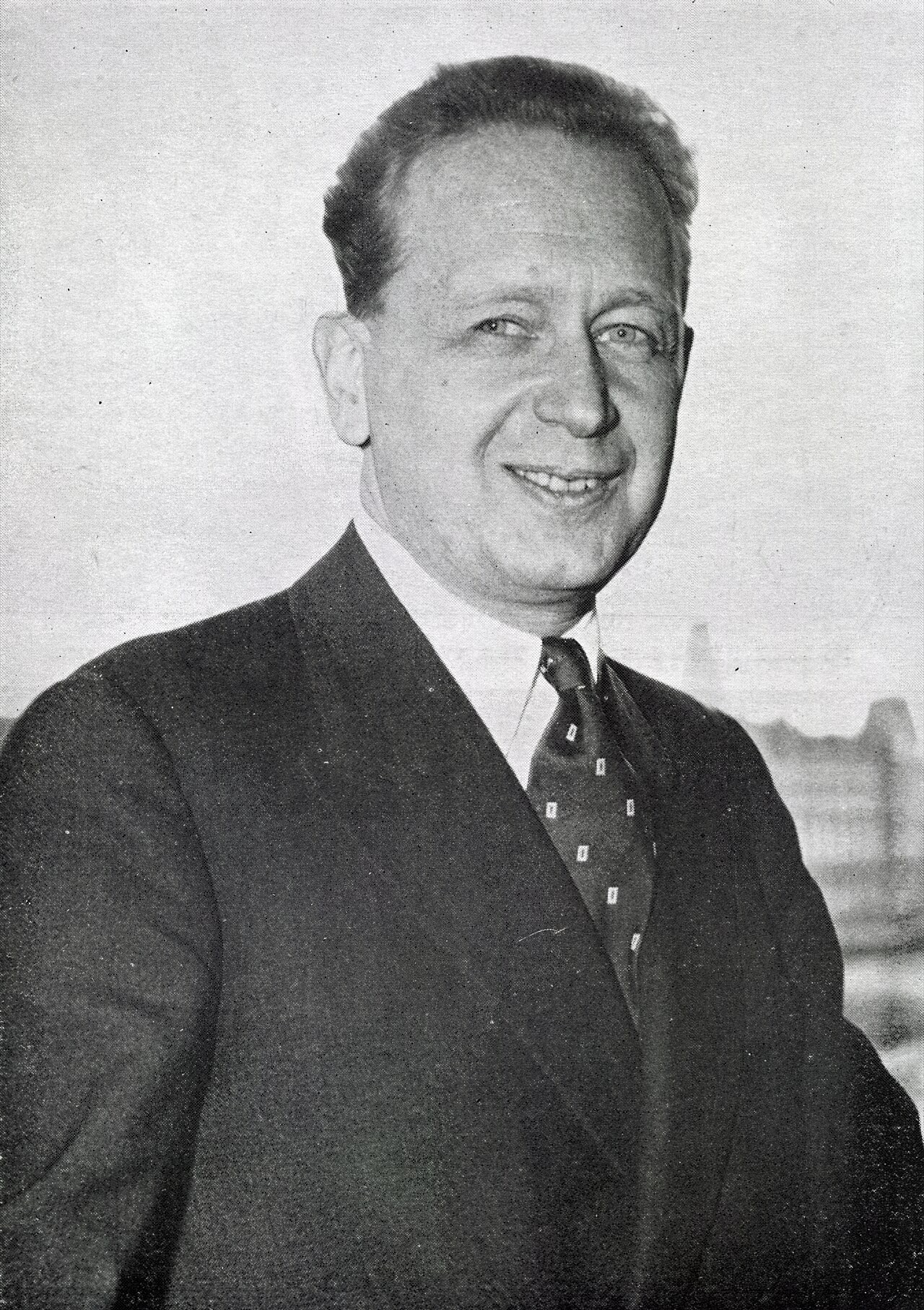
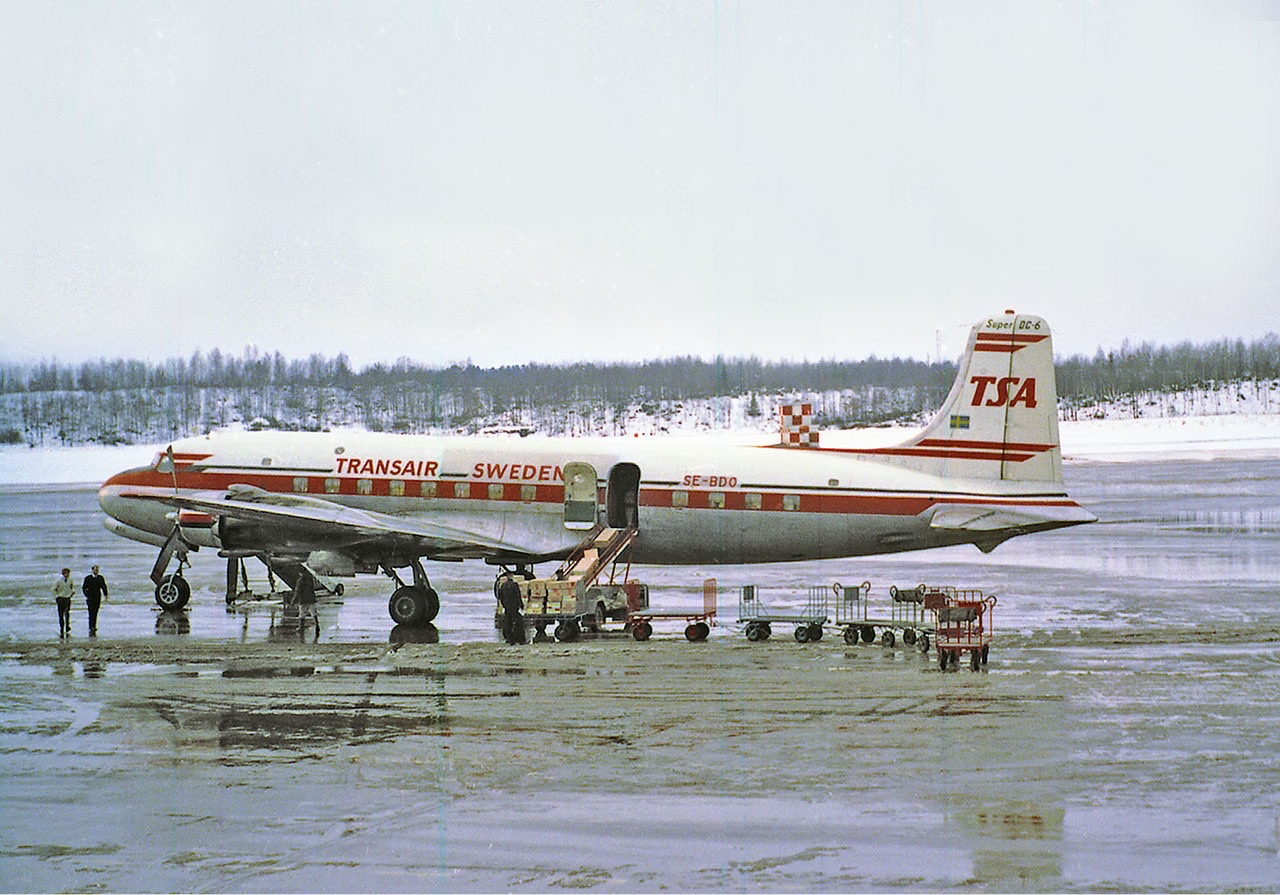
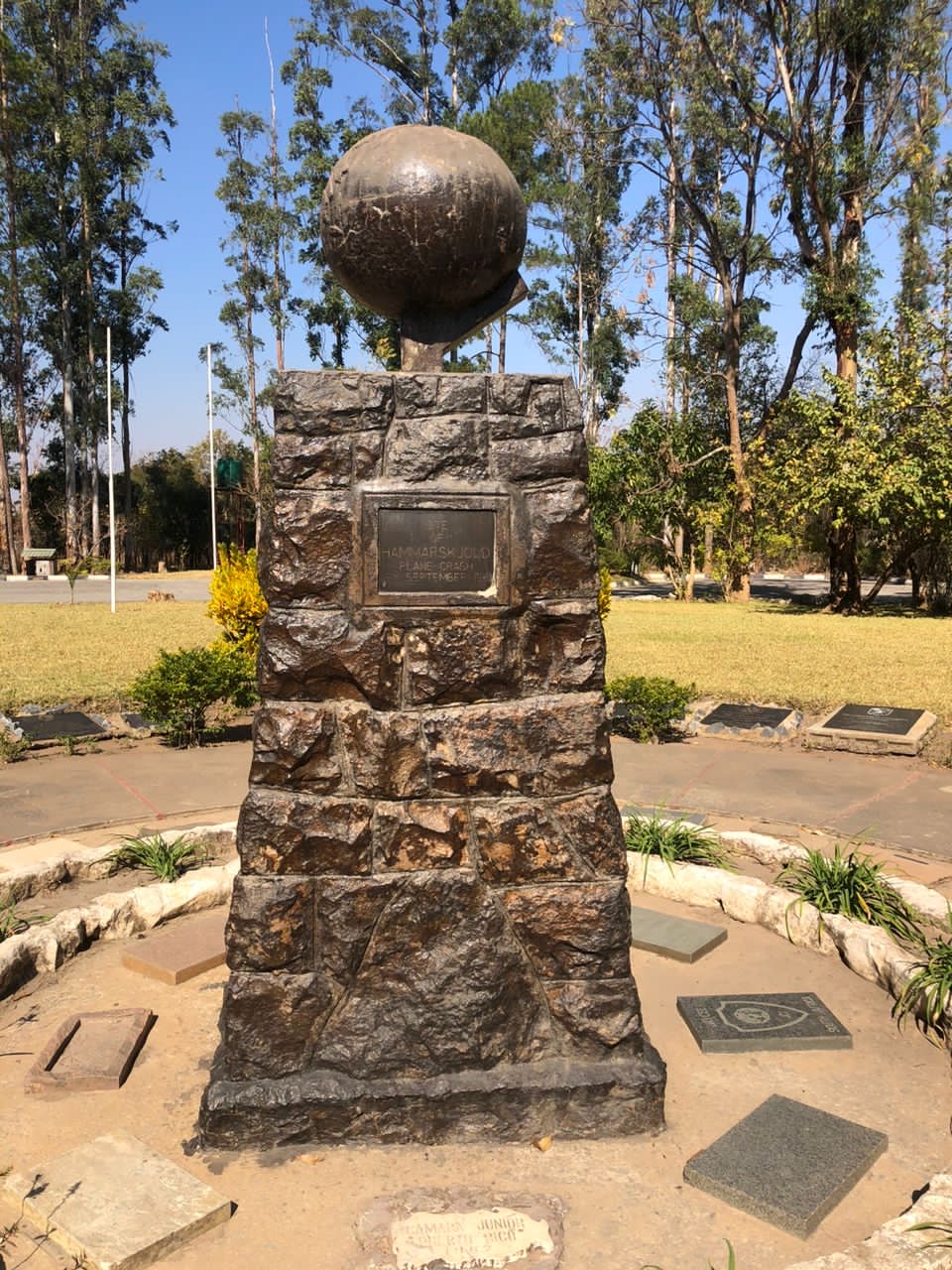
Dag Hammarskjöld, the Swedish Secretary-General of the United Nations, was flying to meet the leader of Katanga, a mineral-rich province that had broken away from the newly independent Congo. Shortly after midnight on 17-18 September 1961, his chartered DC-6 crashed as it approached Ndola in Northern Rhodesia, now Zambia. A Rhodesian inquiry blamed pilot error. A UN inquiry in 1962 could reach no conclusion. Since the investigation was reopened in 2014, a series of UN reports by the Tanzanian judge Mohamed Chande Othman has found it “plausible” that an external attack or threat caused the crash, and “almost certain” that crucial information is still held in the archives of several governments. Nothing has been proven.
The crash
The plane, a Douglas DC-6 owned by the Swedish company Transair and flown by a Swedish crew, crashed in the bush about nine miles from Ndola airport. It was a moonlit night with no cloud. Hammarskjöld was 56. He had led the UN since 1953, and he remains the only person to have been awarded the Nobel Peace Prize after death.
Julien was found alive about 15 hours later. Questioned by a police officer in hospital that evening, he said: “It blew up.” He described “lots of little explosions all around”. A nurse said he told her Hammarskjöld had said “go back” before an explosion, and another heard him mention “sparks in the sky”. The Rhodesian inquiry decided these remarks could be ignored, putting them down to the fire after the crash or his medical condition. A junior doctor described him as lucid.
The early inquiries
Rhodesia, 1961-62. A Rhodesian board of investigation reached no firm conclusion. A Rhodesian commission of inquiry then concluded in 1962 that the pilot had misjudged his height.
The UN, 1962. A UN commission could neither support nor exclude any of the possible explanations. It could not rule out pilot error, but found no indication that this was the probable cause. In 1962 the General Assembly asked to be told of any new evidence, which later allowed the case to be reopened.
Witnesses. Charcoal burners and other local people told of a second, smaller aircraft and a flash before the crash. According to the historian Susan Williams, almost all statements by Black witnesses were dismissed by the Rhodesian inquiries. The 2024 UN report counts at least seven people who told the Rhodesian inquiries of a second or third aircraft, and 12 more who have since come forward with similar accounts.
Sweden. In 1993 a Swedish government report concluded that the pilot had misjudged his altitude, and in 2013 Sweden’s foreign minister said there was no reason to revisit that finding. Since 2014, however, Sweden has led the UN resolutions to keep the investigation open.
The reopened investigation
In 2011 Susan Williams published Who Killed Hammarskjöld?. It led to a commission of four international jurists, chaired by the British judge Sir Stephen Sedley. In 2013 they reported “persuasive evidence that the aircraft was subjected to some form of attack or threat as it circled to land at Ndola”. They also said it was “highly likely” that the US National Security Agency had recorded all radio traffic around Ndola that night.
The UN set up a panel of experts in 2015 and then appointed Othman to lead the inquiry. His reports since 2017 have reached a consistent conclusion. In 2024 he wrote that “it remains plausible that an external attack or threat was a cause of the crash”, and that the alternatives still open are sabotage or unintentional human error. He found no evidence of mechanical failure, and his report says that theories about the pilots using a wrong altimeter setting or landing chart appear to be excluded. Pilot error in general has been neither established nor ruled out.
In November 2026 the UN Secretary-General sent Othman’s latest report, the sixth UN report on the crash since 2014, to the General Assembly. Its assessment was unchanged. Othman’s mandate has ended, and the Secretary-General supports appointing someone to continue the work.

The arguments, point by point
Witnesses saw another plane
Those who suspect an attack say: several witnesses on the ground described a second aircraft and a flash in the sky, and the dying survivor spoke of explosions and sparks.
The response: the first official inquiries discounted these accounts, and a Swedish government report in 1993 also concluded that the pilot had misjudged his altitude. Othman, however, notes that the early inquiries had shortcomings and that British and Northern Rhodesian officials tried to steer them towards a finding of pilot error.
The intercepted radio messages
Those who suspect an attack say: two Americans who worked at US listening posts said they had heard or read an intercept describing an attack on the plane.
The response: both men have died. One later expressed some confusion over whether he had heard a recording or read a transcript. Othman notes that their claims were never contradicted.
A Belgian pilot
Those who suspect an attack say: the 2019 documentary Cold Case Hammarskjöld points to a Belgian mercenary pilot who, according to the filmmakers, had flown for Katanga, and includes a friend who says the pilot told him he shot the plane down.
The response: the pilot denied any involvement throughout his life and died in 2007 without being questioned. He pointed to his flight logs as an alibi. The UN says only that he “is said to have claimed” involvement, and that it is not clear whether he was back in Katanga by 17 September 1961.
Documents from South Africa
Those who suspect an attack say: in 1998 Archbishop Desmond Tutu, as head of South Africa’s Truth and Reconciliation Commission, released letters describing a plot, “Operation Celeste”, to plant explosives on the plane.
The response: Tutu said the commission had been unable to verify them. A former Swedish diplomat dismissed them as fakes. The originals have not been found, and the UN says it is not possible to confirm that the organisation named in them existed in 1961.
Governments are holding back
Those who suspect an attack say: Othman considers it “almost certain” that crucial, undisclosed information exists in the archives of member states. He has named the United Kingdom, the United States and South Africa as not responding fully to his requests.
The response: the US State Department says it has cooperated extensively, sharing thousands of pages of declassified documents. The CIA has called claims that it was behind Hammarskjöld’s death “absurd and without foundation”. The British government declined to comment on the latest report.
Other claims
Some claims have been ruled out. Othman found it “almost certain” that Hammarskjöld and his party were not killed after the plane landed. The former US president Harry Truman is reported to have said that Hammarskjöld was about to get something done “when they killed him”, but he gave no evidence.
What is still argued about
- What brought the plane down: an attack or threat, sabotage, or an error in the cockpit.
- What the undisclosed records contain.
- Whether anyone will continue the investigation now that Othman’s mandate has ended.
No poll appears to have asked how many people believe the plane was shot down.

Sources
- Dag Hammarskjöld Foundation, “Crash investigations and the death of Dag Hammarskjöld”
- United Nations, document A/78/1006, report of the Eminent Person (2024)
- UN Delegate, “63 years later, mystery still surrounds death of Dag Hammarskjöld” (2024)
- UN News, “Plausible that ‘attack or threat’ led to crash that killed former UN chief Hammarskjöld” (2017)
- UNifeed, “UN / Dag Hammarskjöld Death Investigation” (2026)
- The New York Times, “Who’s Hiding Secrets About Dag Hammarskjöld’s Death?” (2026), copy
- Susan Williams, “Revisiting Dag Hammarskjöld’s Mysterious Death”, The Yale Review (2023)
- Al Jazeera, “Inquiry urged into 1961 death of UN chief” (2013)
- Foreign Policy, “U.N. to Probe Whether Iconic Secretary-General Was Assassinated” (2016)
- Associated Press via KSL, “UN: More needed from UK, US and others on Hammarskjold crash” (2019)
- Reuters via Global Policy Forum, “Letters Say Hammarskjold Death Western Plot” (1998)
- South African History Online, “TRC releases documents revealing plot to kill UN Secretary”
- VRT NWS, “Schoot Belgische piloot vliegtuig met VN-secretaris-generaal Dag Hammarskjöld uit de lucht?” (2019)
- SVT Nyheter, “Nya uppgifter: Legoknekt erkände att han dödat Dag Hammarskjöld” (2019)
- Sveriges Radio, “Hammarskjöld blev mördad - regeringen lägger locket på” (2013)
- Government Offices of Sweden, press release on the 2019 UN resolution