
The short version
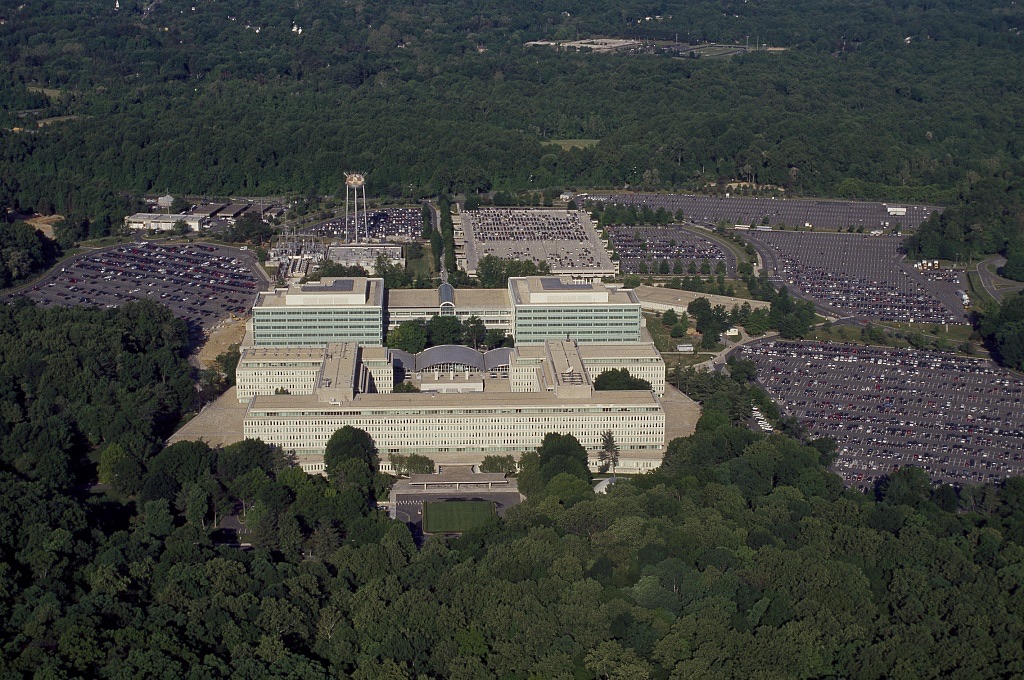
In the 1980s the Reagan administration backed the Contras, rebels fighting Nicaragua’s left-wing Sandinista government. In the same decade crack cocaine spread through American cities. In August 1996 the San Jose Mercury News published “Dark Alliance”, a series by the reporter Gary Webb, which said that a drug ring had sold tons of cocaine to street gangs in Los Angeles and sent millions of dollars to the CIA-backed Contras. The series caused uproar, especially among Black Americans, and was then attacked by major newspapers. Investigations by the CIA’s and the Justice Department’s own inspectors general found no CIA conspiracy and no CIA links to the dealers Webb wrote about. They also confirmed that some people tied to the Contras trafficked drugs, and that the CIA kept working with some of them despite allegations. Whether that amounts to “helping” is the heart of the dispute.
The Contras and drugs
The Contras were mostly former members of Nicaragua’s National Guard, based in Honduras. Congress cut off US support in 1984, and the Iran–Contra scandal broke in 1986 when it emerged that White House staff had armed the rebels with money from secret arms sales to Iran.
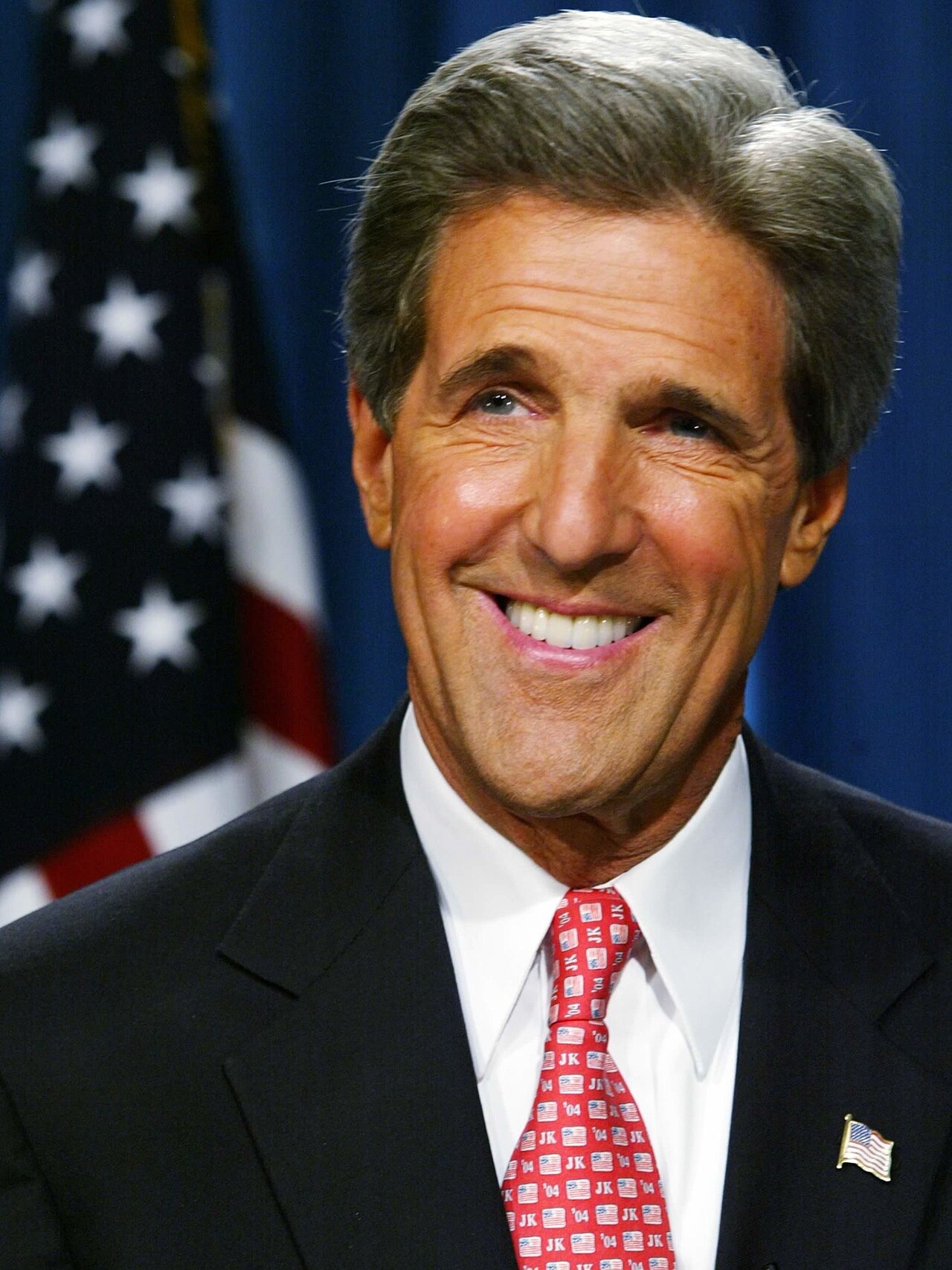
In December 1985 the Associated Press reported that three Contra groups had engaged in cocaine trafficking. A Senate subcommittee chaired by Senator John Kerry then spent two years investigating, and in 1989 produced a 1,166-page report. It did not find that Contra leaders were personally involved in drug trafficking. But it found “substantial evidence of drug smuggling through the war zones” by individual Contras, suppliers, pilots and supporters, and said that US officials “failed to address the drug issue for fear of jeopardizing the war efforts against Nicaragua”. Kerry also noted that the State Department had chosen four companies controlled by drug traffickers to supply the Contras. Major newspapers gave the report little coverage.
“Dark Alliance”
Webb’s three-part series began on 18 August 1996. It centred on three men: Danilo Blandón and Norwin Meneses, Nicaraguan cocaine dealers with ties to a Contra group, and “Freeway” Ricky Ross, a Los Angeles dealer who bought cocaine from Blandón. The series said the network “opened the first pipeline between Colombia’s cocaine cartels and the black neighborhoods of Los Angeles”. It also noted the gap in their punishments: Ross was sentenced to life in prison without parole, while Blandón served 28 months and became a paid government informant.
The series did not say that the CIA had deliberately targeted Black communities. “This doesn’t prove the CIA targeted black communities,” Webb said in 1996. “Essentially, our trail stopped at the door of the CIA.” But the newspaper’s website showed a crack smoker silhouetted against the CIA’s emblem, and the Justice Department’s inspector general later concluded that the articles “strongly imply such a plot”.
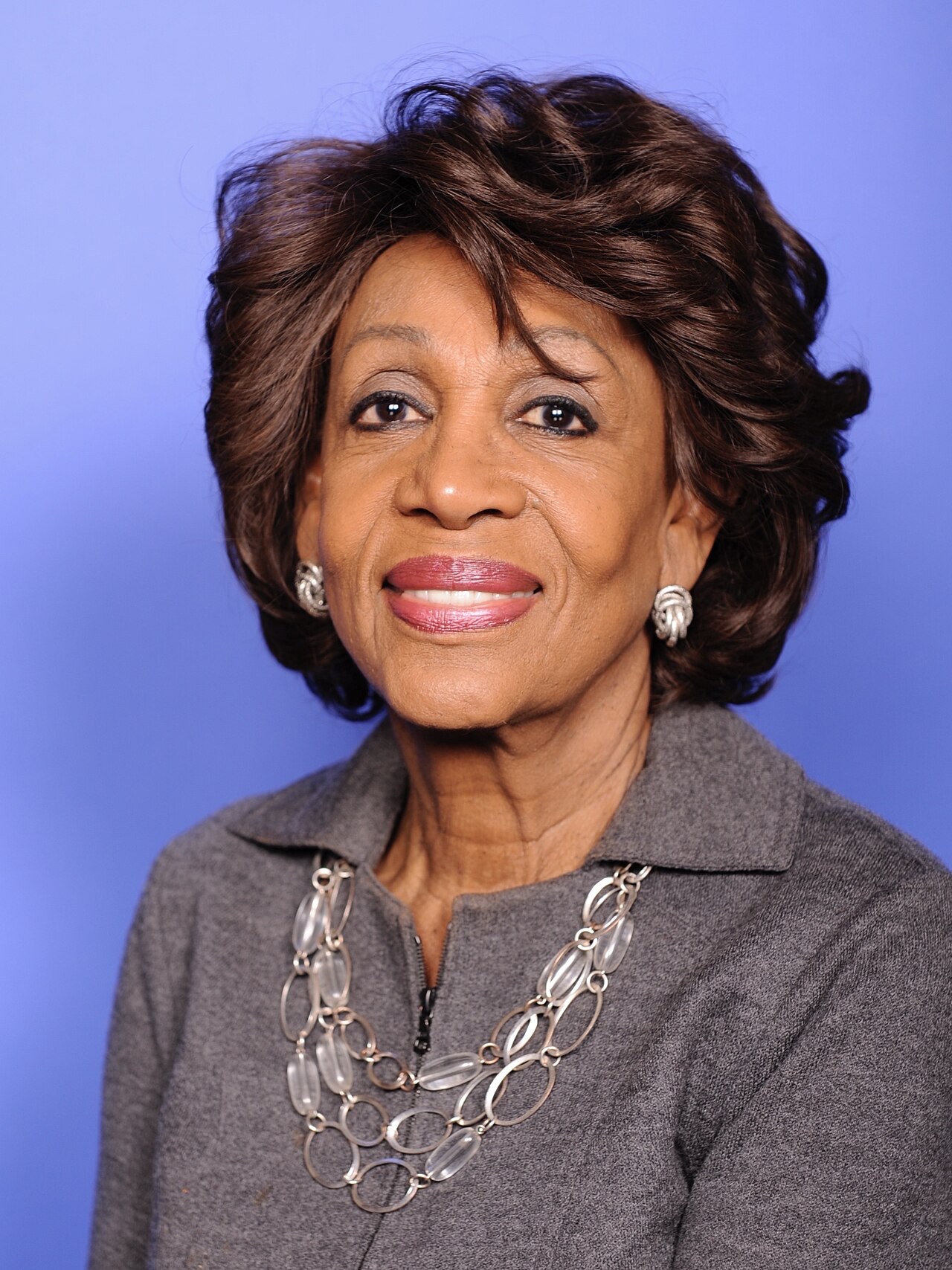
The story spread fast through the internet and Black talk radio. Representative Maxine Waters asked for investigations. “It doesn’t make any difference whether [the CIA] delivered the kilo themselves, or they turned their heads while somebody else delivered it, they are just as guilty,” she said. On 15 November 1996 the CIA director, John Deutch, faced a town hall meeting in Watts, South Central Los Angeles, where he said he had seen no proof of the allegations. Many of the questioners were confrontational.
The backlash
In October 1996 the Washington Post, the New York Times and the Los Angeles Times all published long pieces challenging the series. The Los Angeles Times said it could confirm only about $50,000 given to the Contras by Blandón, not millions, and that crack had reached Los Angeles before Ross. Critics of those papers included the Washington Post’s own ombudsman, who wrote that the Post “and others” had “showed more energy for protecting the CIA from someone else’s journalistic excesses”. A Los Angeles Times reporter later called his paper’s response “overkill”.
In May 1997 the Mercury News’ executive editor, Jerry Ceppos, published a column acknowledging shortcomings in the series, including that it had implied the ring was “the pivotal force in the crack epidemic”. He did not retract the series. Webb left the newspaper, published a book version, and worked as a researcher for the California legislature. He died in 2004. In 2014 his story was told in the film Kill the Messenger.

What the official reviews found
The CIA’s inspector general, Frederick Hitz, published his findings in two volumes in 1998. Volume I found no information that anyone at or working for the CIA “had any direct or indirect dealing” with Ross, Blandón or Meneses. Volume II found no information that the CIA or its employees “conspired with, or assisted” Contra-related people in drug trafficking. But it found that in six cases, knowledge of drug allegations did not stop the CIA from using the people involved, and that the agency did not tell Congress about all the allegations it received. Hitz summed it up in an interview: “No conspiracy. That’s ineptitude.”
The Justice Department’s inspector general called the series’ claims “exaggerations of the actual facts”. Blandón and Meneses were major traffickers who gave some money to the Contras, it found, but their activities were not “the cause of the crack epidemic in Los Angeles”. It also said there was “undeniable evidence that certain groups associated with the Contras engaged in drug trafficking”.
The arguments, point by point
Did the CIA bring in the drugs?
Those who believe it say: the CIA backed the Contras, the Contras’ supporters smuggled cocaine, and the drugs ended up in Black neighbourhoods.
The response: no official review found that the CIA ran or organised drug trafficking, or that it had any link to the Los Angeles dealers in Webb’s series. Even Webb said his trail “stopped at the door of the CIA”.
Did the CIA look the other way?
Those who believe it say: the CIA knew about the drug allegations and kept working with the people involved, which is a form of help.
The response: on this, the CIA’s own inspector general partly agreed, finding that it did not consistently cut off people accused of trafficking. Jack Blum, the Kerry committee’s former chief investigator, said there was no evidence that Black communities were targeted, but that the government “ignored the drug problem and subverted law enforcement to prevent embarrassment and to reward our allies in the contra war”.
Did it cause the crack epidemic?
Those who believe it say: the Contra-linked ring opened the pipeline that made crack explode in Los Angeles.
The response: the Justice Department’s inspector general and the major newspapers found that crack was already spreading, and that this ring, while large, was not its cause.

What is still argued about
- Whether tolerating Contra-linked traffickers counts as the CIA helping to bring crack into US cities.
- Whether the major newspapers treated Webb fairly. A CIA internal article, released in 2014, acknowledged that Webb “did not state outright that CIA ran the drug trade or even knew about it”.
No poll appears to have asked directly whether people believe the CIA helped bring in crack. In a Pew Research Center survey published in 2024, 76% of Black Americans said that the police’s failure to prevent the flow of guns and drugs into Black communities is something that happens today.
Sources
- US Department of State, Office of the Historian, “Central America, 1981–1993”
- Congressional Record, “Drugs, Law Enforcement and Foreign Policy” (1989)
- US Department of Justice, Office of the Inspector General, “The CIA-Contra-Crack Cocaine Controversy”, Chapter I (1997)
- US Department of Justice, Office of the Inspector General, Chapter XII: Conclusions (1997)
- US Department of Justice, Office of the Inspector General, Epilogue (1998)
- CIA Office of Inspector General, “Overview of the California Story” (1998)
- CIA Office of Inspector General, Volume II, introduction and conclusions (1998)
- Statement by Frederick P. Hitz to the House Intelligence Committee (1998)
- PBS Frontline, interview with Frederick Hitz
- Peter Kornbluh, “The Storm over ‘Dark Alliance’”, Columbia Journalism Review (1997)
- History News Network, “CIA Director John Deutch at Los Angeles Town Hall in 1996 Denies Agency Sold Cocaine in City”
- The Intercept, “Managing a Nightmare: How the CIA Watched Over the Destruction of Gary Webb” (2014)
- Encyclopedia.com, “Webb, Gary 1955–2004”
- NPR, “Journalist Gary Webb’s Story Told In ‘Kill The Messenger’” (2014)
- Pew Research Center, “Black Americans’ mistrust of the criminal justice system” (2024)