
The short version
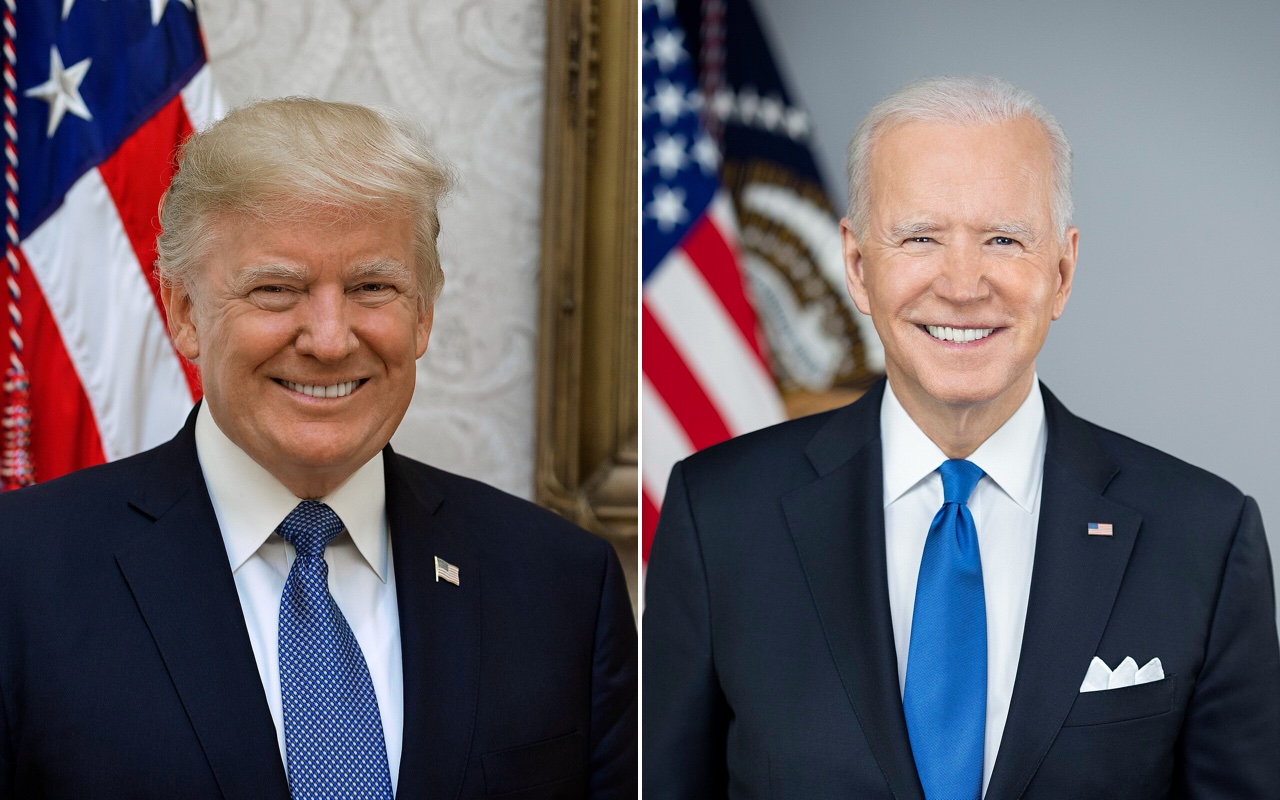
In the November 2020 presidential election, Joe Biden was declared the winner with 306 electoral votes to Donald Trump’s 232, and a margin of about seven million in the popular vote. Trump did not accept the result and has said consistently that the election was stolen through fraud. The claim has been examined by courts, state officials of both parties, recounts and audits. None found fraud on a scale that would change the outcome. A large share of Republican voters still doubt the result, and in 2026 the Trump administration opened new federal investigations.
What is claimed
The claims fall into several groups:
Voting machines. Equipment from Dominion Voting Systems and other firms switched or deleted votes.
Mail ballots. The huge expansion of postal voting during the pandemic allowed fake, duplicate or harvested ballots to be counted.
Ineligible voters. Dead people, non-residents and non-citizens voted in large numbers.
The count. Late-night “dumps” of votes for Biden, observers kept away from counting tables, and suitcases of ballots pulled from under a table in Atlanta.
The rules. Officials and courts changed voting procedures before the election in ways that state legislatures had not approved.
Outside influence. Private donations to election offices and decisions by social media companies tilted the playing field.
What the reviews found
Courts. Trump and his allies filed more than 60 lawsuits. Nearly all failed. Many were dismissed on procedural grounds such as standing or delay. Others were decided on the merits, with judges, including some appointed by Trump, finding that the evidence did not support the claims.
Recounts and audits. Georgia counted its presidential ballots three times, once by hand, and each count showed Biden ahead by about 12,000 votes. A review of Arizona’s largest county commissioned by Republican state senators and run by a firm with no election experience ended in 2021 without overturning the result. A Republican-led committee in Michigan’s senate reported that it found no evidence of widespread fraud.
Federal officials. The government’s election security agency called the election the most secure in American history. Trump’s attorney general, William Barr, said the Justice Department had not seen fraud on a scale that could have changed the outcome.
Journalists. An Associated Press review of the six states disputed by Trump found fewer than 475 potential cases of voter fraud, far too few to matter in any of them.
Defamation cases. Voting machine companies sued broadcasters that had aired the claims about them. Fox News paid Dominion $787.5 million in 2023 to settle.
The arguments, point by point
The late swing to Biden
Supporters of the claim say: Trump led on election night in several states, and his lead vanished overnight.
The response: many states counted in-person votes first and mail ballots later, and some were barred by law from processing mail ballots before election day. Democrats used postal voting far more than Republicans in 2020, so the shift was predicted in advance.
The Atlanta video
Supporters say: security footage shows workers pulling containers of ballots from under a table after observers left.
The response: Georgia investigators reviewed the full footage and said the containers were standard ballot carriers that had been packed earlier in view of observers, and that counting continued normally.
Courts never looked at the evidence
Supporters say: cases were thrown out on technicalities.
The response: many were, and that is a fair criticism of how much was resolved without trial. Others received full hearings, and judges ruled that the evidence fell short.
Rule changes
Supporters say: expanded drop boxes, relaxed signature checks and extended deadlines were unlawful.
The response: this is the area with the most genuine legal dispute. Courts have reached different conclusions on some pandemic-era changes. Those rulings concern whether procedures were properly authorised. They did not find that fraudulent votes were cast as a result.
Real errors
Supporters say: officials admit to mistakes, so the totals cannot be trusted.
The response: errors did occur. Georgia’s largest county has acknowledged problems including some ballots scanned twice during a recount. State investigators found the errors too small to affect the outcome and found no evidence they were intentional.
What happened afterwards
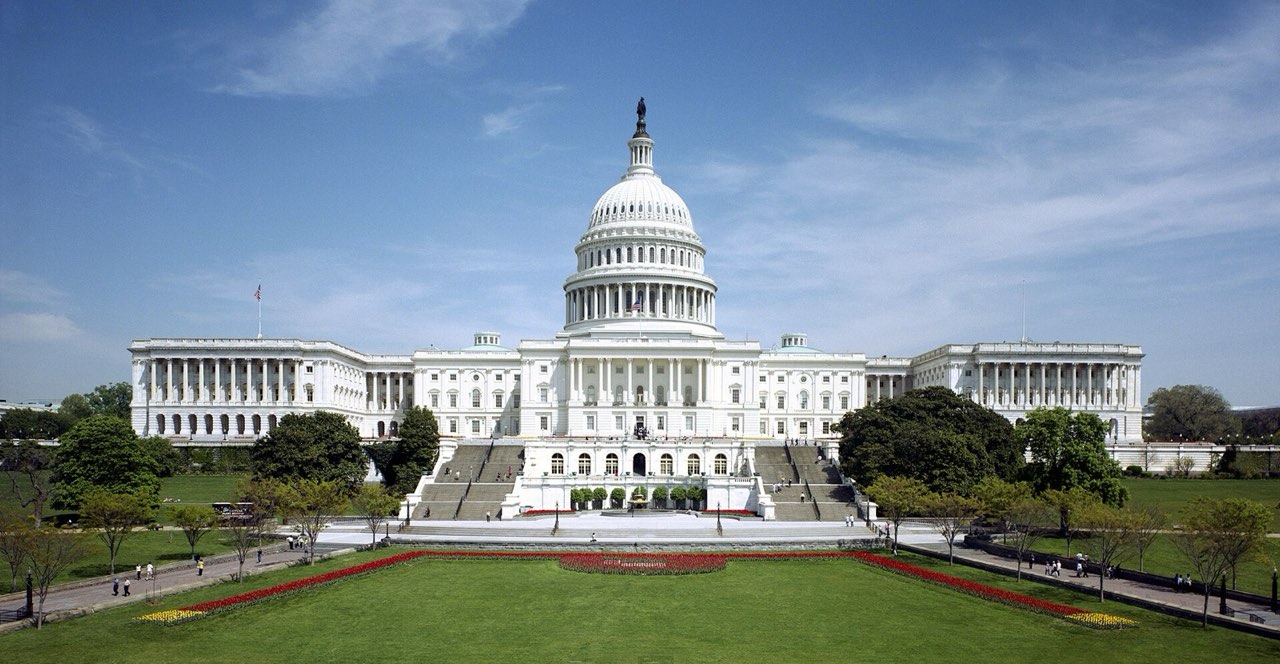
On 6 January 2021, supporters of Trump stormed the US Capitol while Congress was certifying the result. Trump was later indicted by federal prosecutors and by the state of Georgia over efforts to overturn the election. He denied wrongdoing. The federal case ended after he won the 2024 election, and the Georgia case was later dismissed.
After returning to office, Trump directed his administration to investigate 2020. In January 2026 the FBI seized hundreds of boxes of ballots and records from the election office of Fulton County, Georgia. The county sued for their return, arguing that the search rested on claims already investigated and rejected. As of mid-2026, the Justice Department had not made public any evidence of wrongdoing from that investigation, and reports described related inquiries in other states.

What is still argued about
- What, if anything, the current federal investigations will produce.
- Whether emergency changes to voting rules in 2020 were lawful, and how such changes should be made in future.
- How to rebuild confidence in elections among voters who believe the system failed.
- Where the line lies between questioning an election and trying to overturn one.
Sources
- PolitiFact, “Courts did review Trump campaign ‘evidence’ of election fraud” (2022)
- Campaign Legal Center, “Results of Lawsuits Regarding the 2020 Elections”
- Atlanta Journal-Constitution, “5 Georgia fraud claims from the 2020 election: separating fact from fiction”
- Associated Press via WJLA, “No proof vote was rigged, but 2020 election reviews persist”
- Atlanta Journal-Constitution, “FBI’s Fulton County 2020 investigation fails to deliver, so far” (June 2026)
- Atlanta Journal-Constitution, “Fulton and the DOJ square off in court over seized 2020 ballots” (March 2026)
- Associated Press via Las Vegas Sun, “After six years, Trump brings his election obsession to primetime at the White House” (July 2026)
- Washington Examiner, “Fulton County makes case for return of 2020 ballots seized by FBI” (2026)
- US Department of Justice affidavit and filings in the Fulton County matter (2026)