The short version
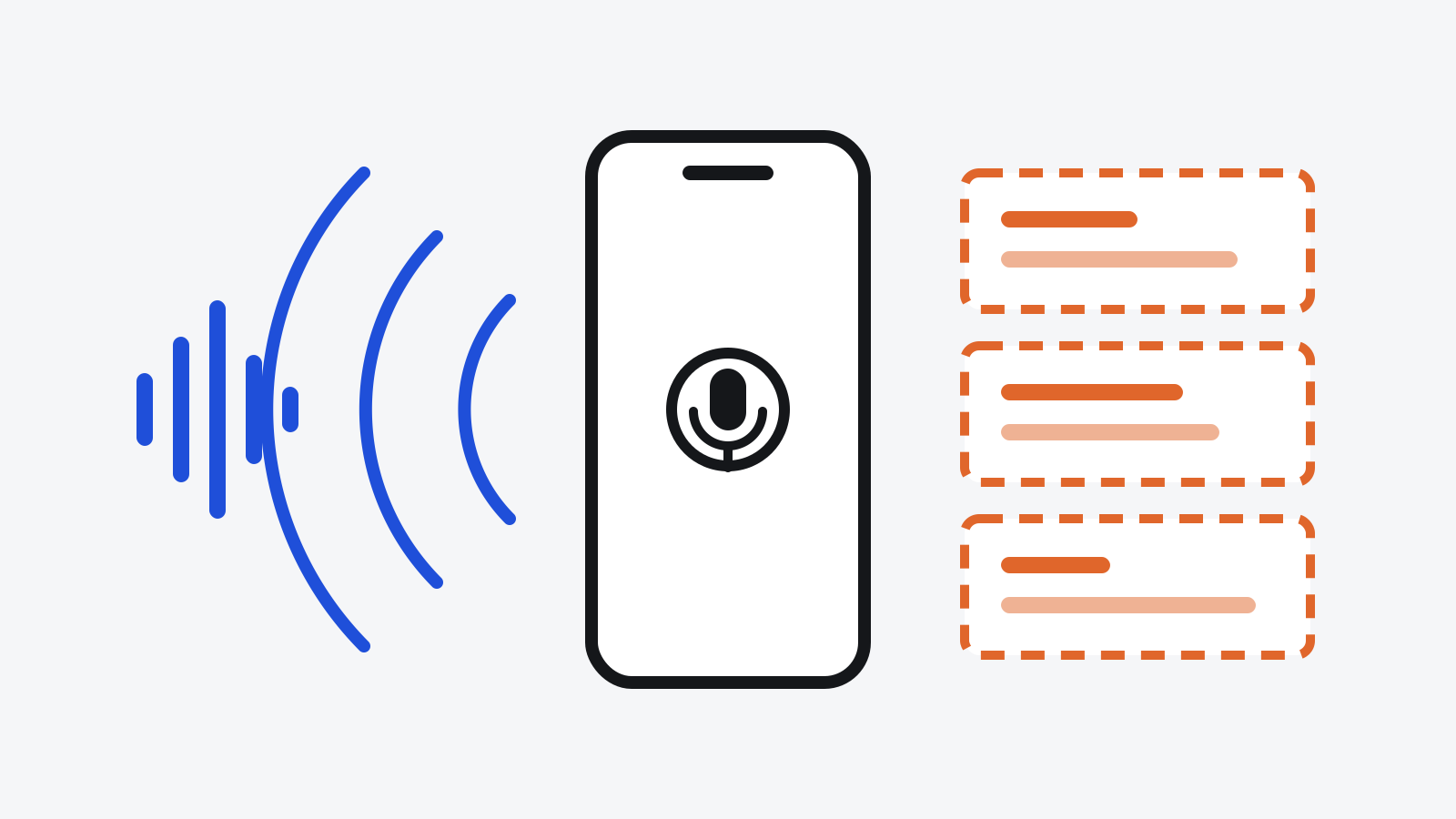
The belief that phones secretly record conversations to choose which adverts to show is one of the most widespread suspicions about technology. Tech companies deny it. Independent researchers who have tested for it have not found it. They have found that phones collect so much other information that eavesdropping is not needed. There have also been real cases of devices recording when they should not, and one company that claimed it could do exactly what people fear.
A note on our own position: this website is funded by advertising, which is the industry this article is about.
The experience
It usually goes like this. You talk with a friend about something you have never searched for, such as a holiday destination or a brand of mattress. Within a day or two, an advert for it appears in your feed. Many smartphone users are convinced that their device listens to them.
Versions of the theory
Social apps listen. Facebook, Instagram or TikTok keep the microphone open and pick out keywords.
The phone itself listens. Voice assistants that wait for a wake word are recording everything in the meantime.
Third parties listen. Lesser-known apps and advertising firms capture audio and sell the results.
They do not need to. The sceptical version: tracking is real and extensive, and listening is the one thing that is not happening.
The arguments, point by point
It happens too often to be chance
Believers say: the match between a spoken conversation and an advert is too specific and too quick.
The response: people see thousands of adverts and remember the handful that seem uncanny. Psychologists call this the frequency illusion. Nobody notices the times they discuss something and no advert follows.
A company admitted it
Believers say: in 2023, a marketing division of the US firm Cox Media Group advertised a service called “Active Listening”, telling potential clients it could target adverts based on what people said near their devices. Its own material said that phones are listening.
The response: this is the strongest piece of evidence for the theory, and it was investigated. In May 2026 the US Federal Trade Commission announced that Cox and two smaller firms would pay a combined $930,000 to settle charges of deceptive marketing. The regulator’s finding was that the service did not collect or use voice data at all. It relied on purchased email lists. The companies had sold advertisers a capability they did not have.
Apple paid out over Siri
Believers say: Apple agreed to pay $95 million to settle a lawsuit claiming Siri recorded private conversations.
The response: the case arose from accidental activations, in which the assistant mistook other sounds for its wake phrase and recorded snippets. A whistleblower revealed in 2019 that contractors reviewed some of those recordings. Apple ended that practice and denied that recordings were used for advertising. The settlement did not include an admission of wrongdoing.
The microphone permission
Believers say: apps ask for microphone access they do not obviously need.
The response: apps do ask for more than they need, and that deserves suspicion. Current versions of iOS and Android show an indicator when the microphone is in use and let users see which apps have accessed it.
The technical case against
Sceptics say: recording and analysing audio around the clock from billions of phones would consume battery and data on a scale users and researchers would notice. Security researchers routinely inspect what apps transmit.
In 2018, computer scientists at Northeastern University tested more than 17,000 popular Android apps, using automated tools to operate them while monitoring everything sent out. They found no case of an app secretly activating the microphone and transmitting audio. They did find some apps recording the screen and sending it to third parties without telling users.
What is happening instead
Advertisers build a profile from sources that most people underestimate:
- Location. Where your phone has been, including shops, and whose phones were nearby.
- Your contacts’ behaviour. If the friend you spoke to searched for the product afterwards, and you share a home network or were recently in the same place, you may be shown the same advert.
- Purchases. Loyalty cards, payment data and email receipts are sold through data brokers and matched to your accounts.
- Browsing and app activity. Tracking code inside websites and apps reports what you view.
- Statistical prediction. People of your age, area and habits tend to want similar things at similar times.
The result can look like mind-reading. Privacy researchers often say that the truth is more unsettling than the theory, because it means companies can predict what you will talk about.
What is real
- Voice assistants have recorded by mistake, and staff or contractors at Apple, Amazon and Google have listened to samples to improve the software. All three changed their policies after this was reported in 2019.
- Smart televisions have tracked what viewers watch. One manufacturer paid a multimillion-dollar settlement in 2017 for doing so without consent.
- Some apps have used the microphone to detect which television programmes or adverts were playing nearby. Regulators warned developers about this in 2016.
- The appetite exists. The Cox case showed that at least one company was willing to sell eavesdropping to advertisers, and that advertisers were interested.
What is still argued about
- Whether a small-scale or targeted listening scheme could escape detection.
- Whether current privacy laws do enough about the tracking that is known to happen.
- How much accidental recording by voice assistants still occurs.
What you can do
Whatever you believe, the settings are the same. Review which apps have microphone and location permission and remove any that do not need it. Turn off ad personalisation in your phone and account settings. Limit how apps track you across other apps and websites.
Sources
- US Federal Trade Commission, “FTC to Require Cox Media Group, Two Other Firms to Pay Nearly $1 Million to Settle Charges They Deceived Customers About ‘Active Listening’ AI-Powered Marketing Service” (May 2026)
- Malwarebytes, “Company bragged phone mics could listen to conversations. They couldn’t.” (May 2026)
- Mobile Dev Memo, “Your phone isn’t secretly listening to you for ad targeting, part 2” (2026)
- Scientific American, “Is Your Tech Listening? Apple Settles Claim for Siri Eavesdropping” (2025)
- Laptop Mag, “Your phone actually is listening to you, or so one marketing company has claimed”
- Pan, Ren, Lindorfer, Wilson and Choffnes, “Panoptispy: Characterizing Audio and Video Exfiltration from Android Applications” (2018)
- 404 Media, original reporting on “Active Listening” (2023 to 2024)